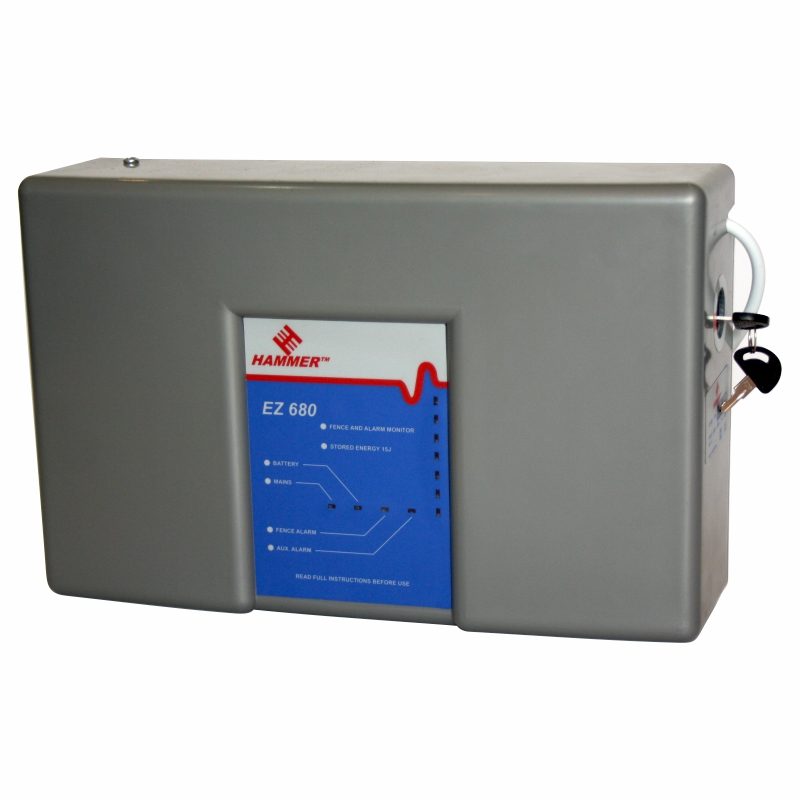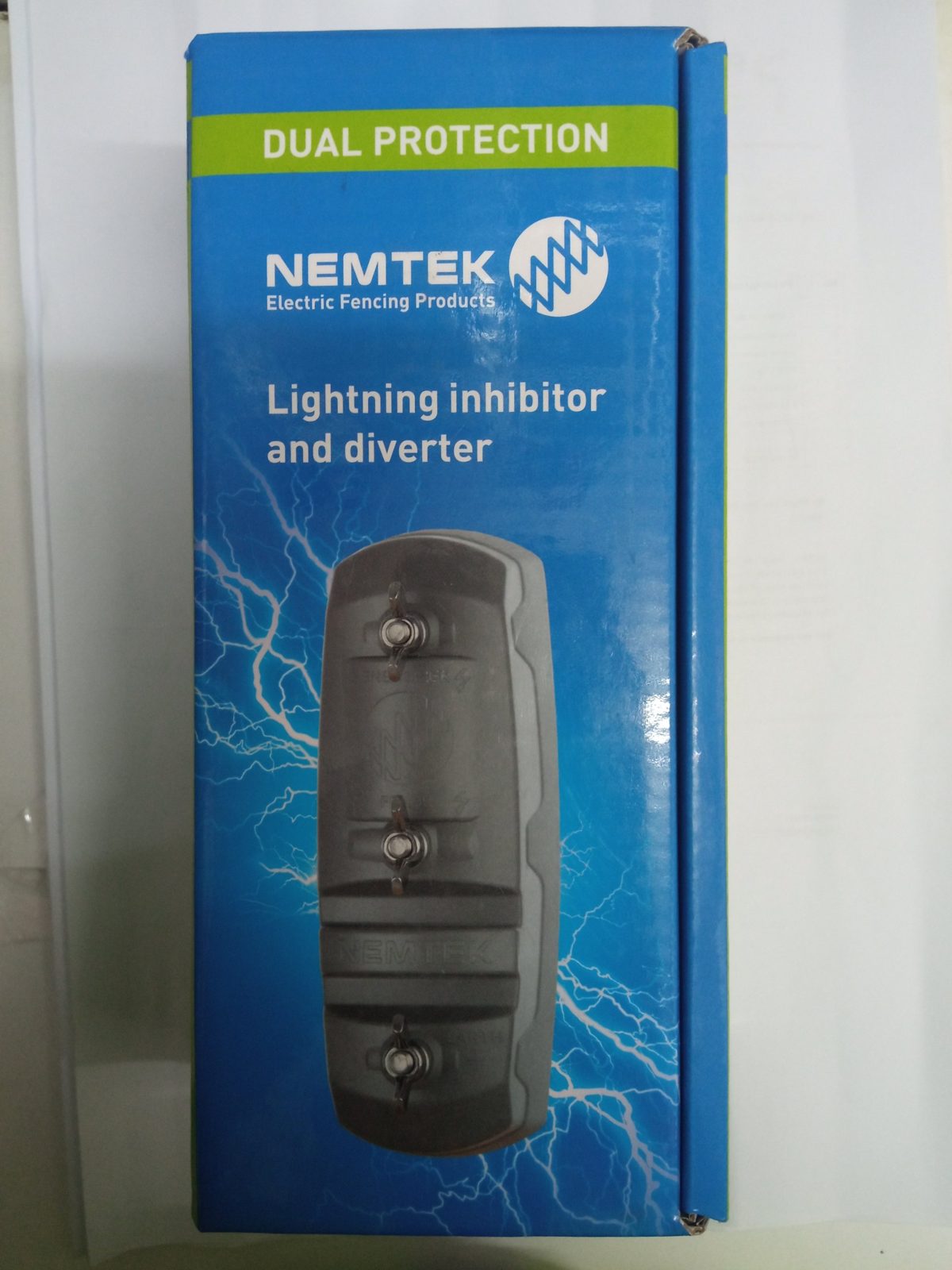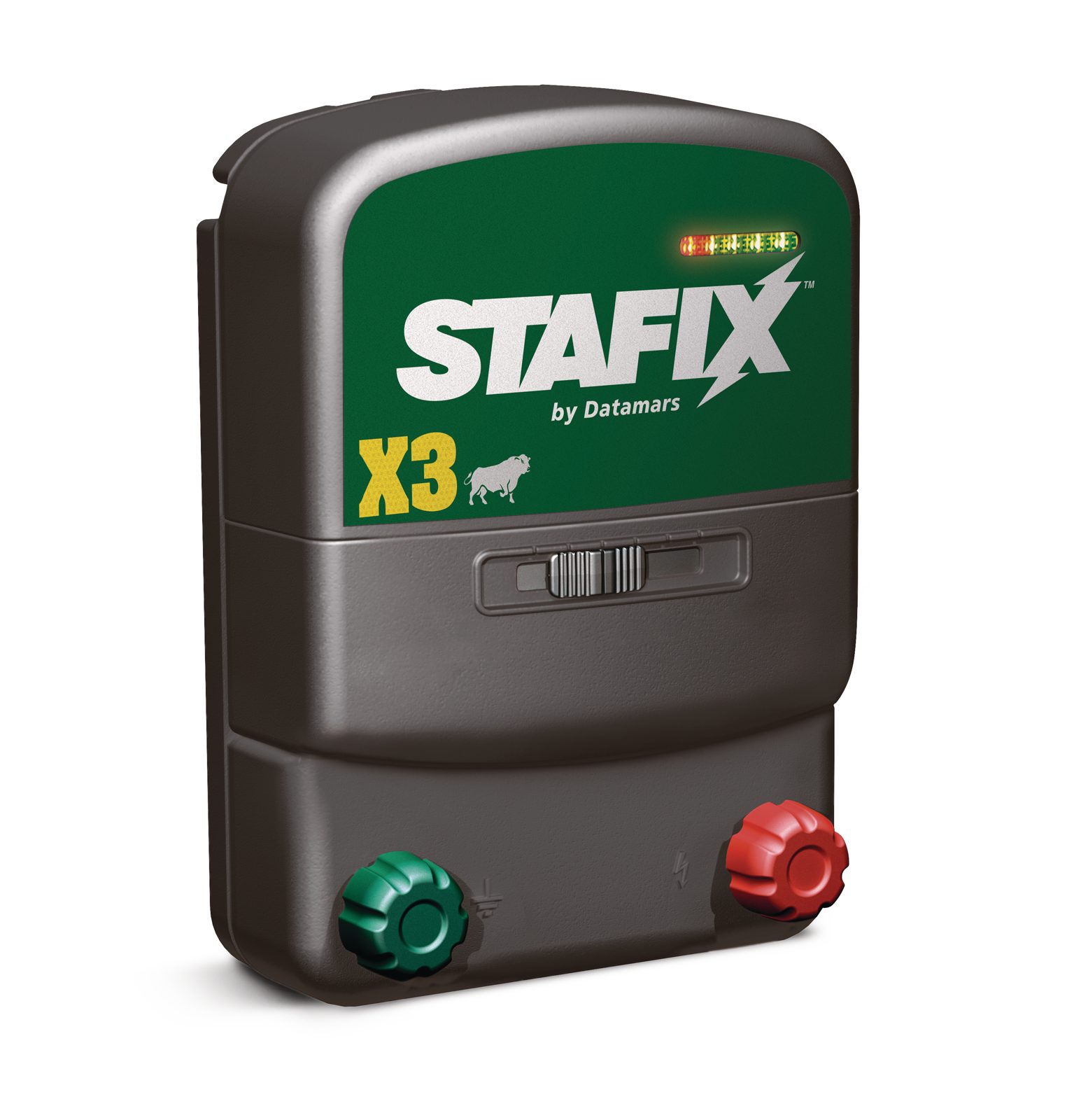
The energizer is the heart of an electric fence. Pick one that is too small and the fence will not deter anyone. Pick one with features you will never use and you have paid for nothing. This guide covers the decisions that matter when you are buying for a home, a plot or a small business in Kenya.
1. Start with the fence, not the energizer
Energizer size depends on how much wire it has to drive. Three things decide that: the length of the perimeter, the number of strands, and how much vegetation is likely to touch the wires. A short, clean wall-top fence in an estate needs far less energy than a long boundary on a farm with bush growing into it. Measure your perimeter first. If you have not done that yet, the electric fence cost calculator will estimate the materials from your measurements.
2. Understand joules
Joules measure the energy in each pulse. More joules means the pulse holds its voltage over a longer or more heavily loaded fence. For most homes and small compounds, energizers in the low single-digit joule range are the usual choice. Larger commercial and agricultural sites move up from there. If you are unsure, ask your installer to size it against your actual wire length rather than guessing.
3. Decide how you want to be alerted
A fence that is cut or shorted at 2 am is only useful if someone finds out. Look at what the energizer can trigger:
- Siren and strobe outputs for a local alarm on the property.
- App notifications over WiFi or GSM so you know even when you are away.
- Alarm zones, if you want the fence tied into a wider intruder alarm.
Some newer units combine all three. The JVA QT13, for example, pairs a 3 joule energizer with an 8-zone alarm panel and a free WiFi app, which removes the need for a separate alarm controller on a typical home.
4. Plan for power cuts
Every security energizer should run from a backup battery when mains power fails. Check what battery types the unit supports and how you will replace it in a few years. If mains power is unreliable or unavailable at your site, look at solar-powered options instead.
5. Do not skimp on earthing
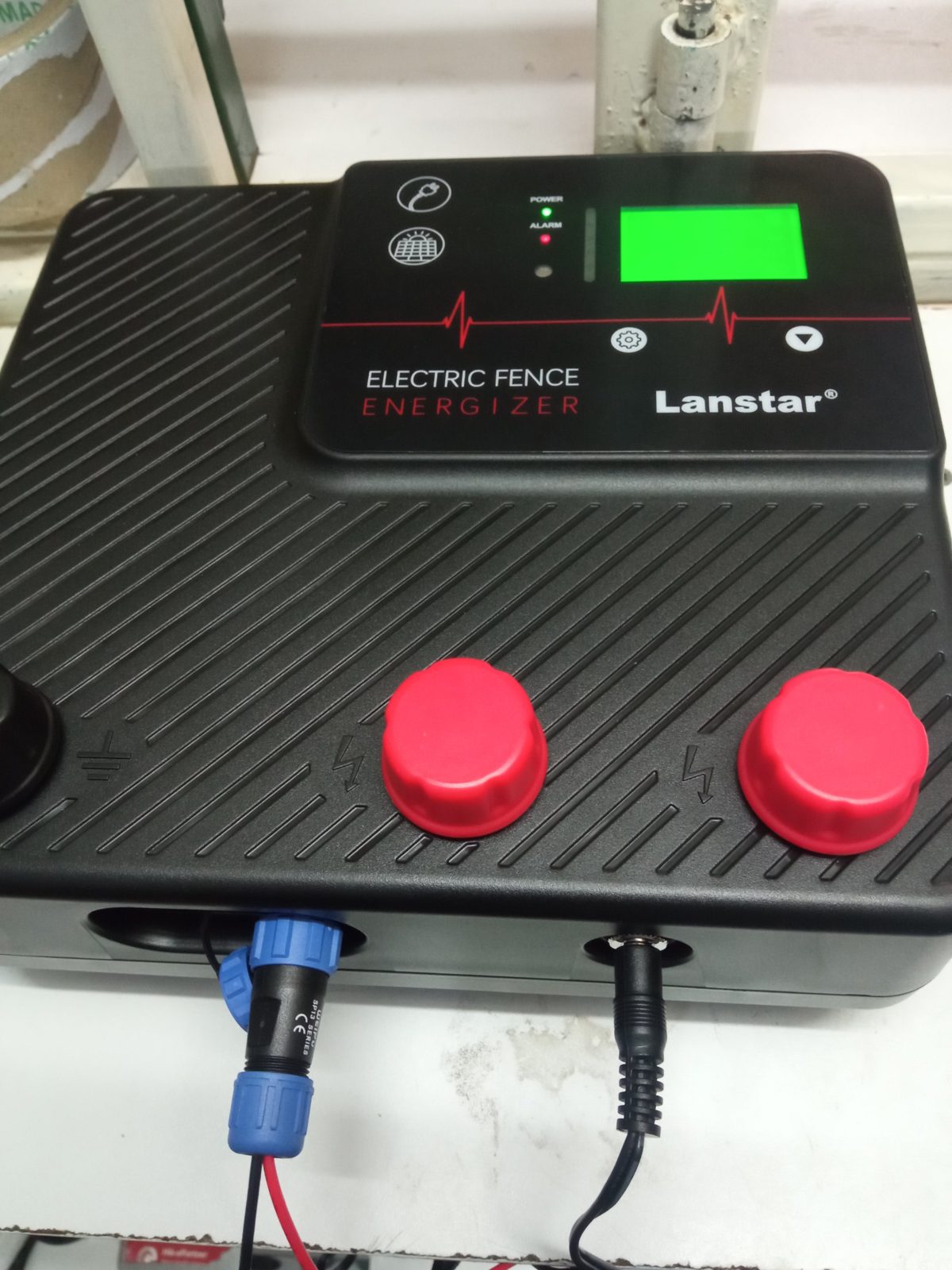
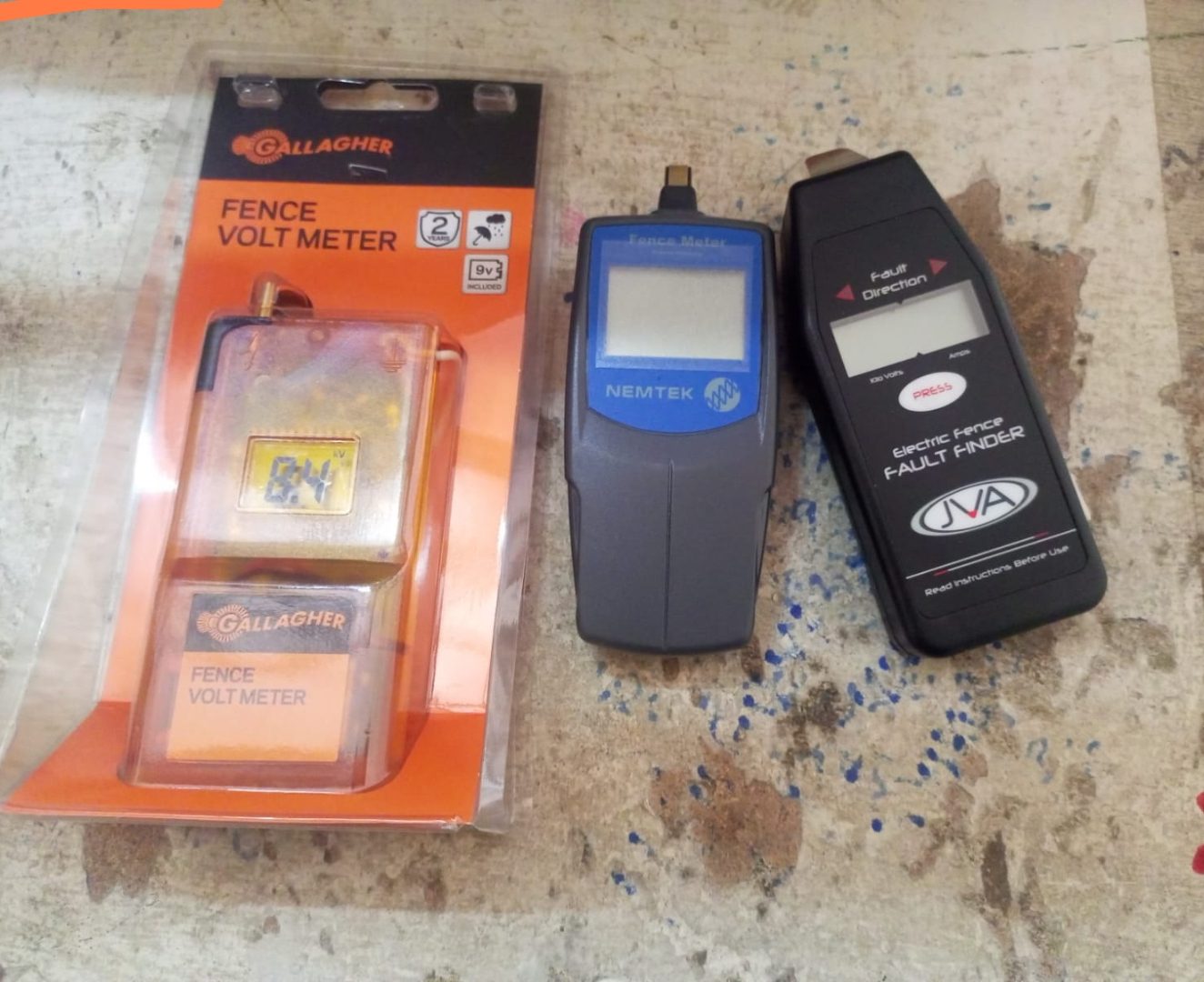
A strong energizer on a poor earth gives a weak fence. Use copper earth rods driven into ground that stays moist, and keep them away from the building’s electrical earth. This is the most common cause of a fence that reads well at the energizer and poorly at the far corner. A fence volt meter or fault finder lets you check the voltage along the line and track down where it is being lost.
6. Buy a brand you can get serviced
Energizers get hit by lightning and power surges. Choose a brand with local stock and repair support. JVA, Nemtek and Hammer are all established names with parts available in Nairobi.
A quick checklist
- Measure the perimeter and count the strands.
- Size the joules to that load.
- Choose your alerts: siren, app, alarm zones.
- Confirm battery backup.
- Budget for proper earthing.